Choosing the Right Desert Quad Bike Experience in Dubai
Picking a desert ride is less about chasing the boldest-looking bike and more about matching the experience to your comfort, riding ability and expectations. Dubai terrain can feel simple from a distance, then change quickly as soft sand, firm tracks and sloping dunes appear in the same outing. A good choice starts with knowing what kind of ride you actually want.
Start with the rider, not the bike
Begin by being honest about who will be riding. A first-timer needs a calm, controlled introduction, while someone with off-road experience may want a longer route and more varied ground. Age, height, confidence and physical comfort all matter because a quad bike needs active balance and steady arm control.
If children are part of the group, check whether there are separate machines or passenger arrangements designed for younger riders. Do not assume every tall or powerful bike is suitable just because it looks adjustable. A rider should be able to sit with both feet planted, reach the controls without stretching and turn the handlebars freely.
Also consider the pace of the wider group. Mixed abilities can work well when the route allows slower riders to keep up without pressure, but a rushed schedule often turns a fun ride into a tense one. A sensible quad bike tour dubai choice should fit the least confident rider without boring the more experienced ones.
Decide what kind of terrain you want
Desert driving is not all the same. Some routes stay on firmer ground, which is easier to read and better for beginners. Others include rolling dunes, steeper climbs and loose sand that asks for more body movement and throttle control. The right option depends on whether you want a relaxed scenic ride or a more active off-road session.
Ask how much of the route is open desert, how much is on marked tracks and whether the pace changes across the outing. If dune bashing is included as a separate part of the experience, check that the driving style is clearly described. Some riders enjoy that energy, while others prefer a quieter ride focused on sand driving techniques and landscape.
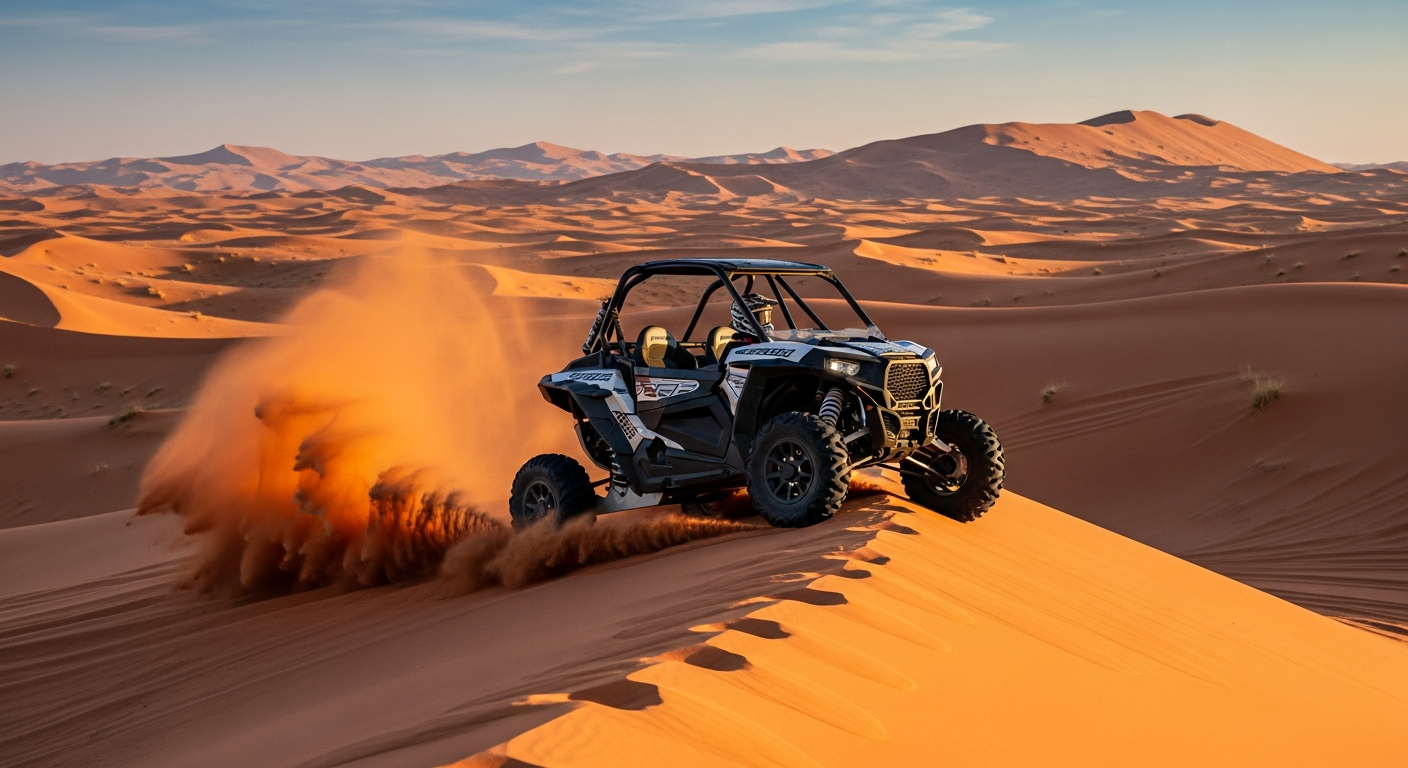
Watch for vague descriptions such as "all levels" with no detail about difficulty. That phrase can cover anything from a gentle route to demanding terrain. Clear information about terrain, pace and rider ability is usually a better sign than dramatic wording.
Check the safety setup before anything else
Safety should shape the decision from the start. Look for an operator that gives a proper safety briefing before riders head out, explains the controls and covers what to do if the group slows or stops. A short demonstration is useful, especially for newcomers who may not know how weight shift affects a quad on sand.
A safety helmet should be provided in the right size and worn correctly. It should sit level, feel snug and fasten securely without pinching. If a helmet feels loose, damaged or uncomfortable, say so before the ride begins. The same applies to gloves and eye protection, which can help with grip and blowing sand.
Notice how instructions are delivered. Good guidance is calm, specific and easy to follow. A tour guide should be able to explain hand signals, riding spacing and what riders should do if they feel unsure. If the briefing feels rushed or the guide seems impatient with basic questions, that is worth taking seriously.
Compare the bike to your needs
Quad bikes differ in size, power and handling. A smaller engine may be easier for a beginner to manage, while a larger quad bike engine can deliver stronger acceleration and more pull on soft sand. More power is not always better. On dunes, smooth control often matters more than outright speed.
Ask whether machines are selected by rider size and experience, rather than handed out at random. The seat height, reach to the bars and weight of the bike all affect control. A rider who feels stretched or perched on the machine will tire quickly and may react late when the terrain changes.
It also helps to ask about maintenance in general terms. Clean machines, responsive controls, visible wear checks and a sensible replacement policy all point to a more organised operation. No rider can inspect every mechanical detail, but obvious neglect should not be ignored. If something feels loose, noisy or unusually hard to operate before departure, it should be reported rather than tolerated.
Look closely at the route and timing
The best time for a desert ride often depends on light, temperature and personal preference. Earlier starts may feel more comfortable in warm months, while later rides can bring softer light and longer shadows across the dunes. Either way, the pace of the route matters more than the promise of a dramatic backdrop.

Ask how long the riding portion lasts, not just the total length of the outing. Transfers, photos, stops and briefing time can take up a large share of the schedule. That is not a problem if it is clearly explained, but it matters when choosing between options.
A useful quad bike tour dubai comparison should also consider where the route begins and how the group moves through the desert. Wide spacing gives riders room, while tight bunching can make beginners nervous. Turns near dunes, sudden stops and fast transitions between firm ground and soft sand are all points where a careful guide makes a real difference.
Understand what is included and what is expected
Before booking, read the inclusions carefully. Check whether the ride includes helmet use, fuel, guidance, refreshments or hotel transport, and whether any of these are optional. The aim is not to hunt for fine print as a challenge, but to avoid arriving with the wrong expectations.
Ask about clothing and personal items too. Closed shoes are more sensible than sandals, and loose scarves or hanging accessories can be awkward around machinery. Sun protection is useful in open desert, while a light layer may help when the temperature drops later in the day.
Photography is another practical point. Many riders want images of the dunes, but stopping in the wrong place can be risky. Follow the guide's directions about where the group can pause, and keep cameras secured so they do not distract from control of the bike.
Read the tone of the information provided
A reputable option tends to explain limits as clearly as features. It says who the ride suits, what riders need to wear, how safety is handled and what the terrain is like. It does not rely only on speed, size or spectacle. Professional wording is not a guarantee, but vague or pressure-heavy language deserves caution.
Reviews can help when read with care. Look for repeated comments about briefing quality, machine condition, route variety and how beginners were treated. A single glowing comment matters less than a steady pattern across many independent accounts. Equally, one detailed complaint about safety or disorganisation is worth more than a string of generic praise.
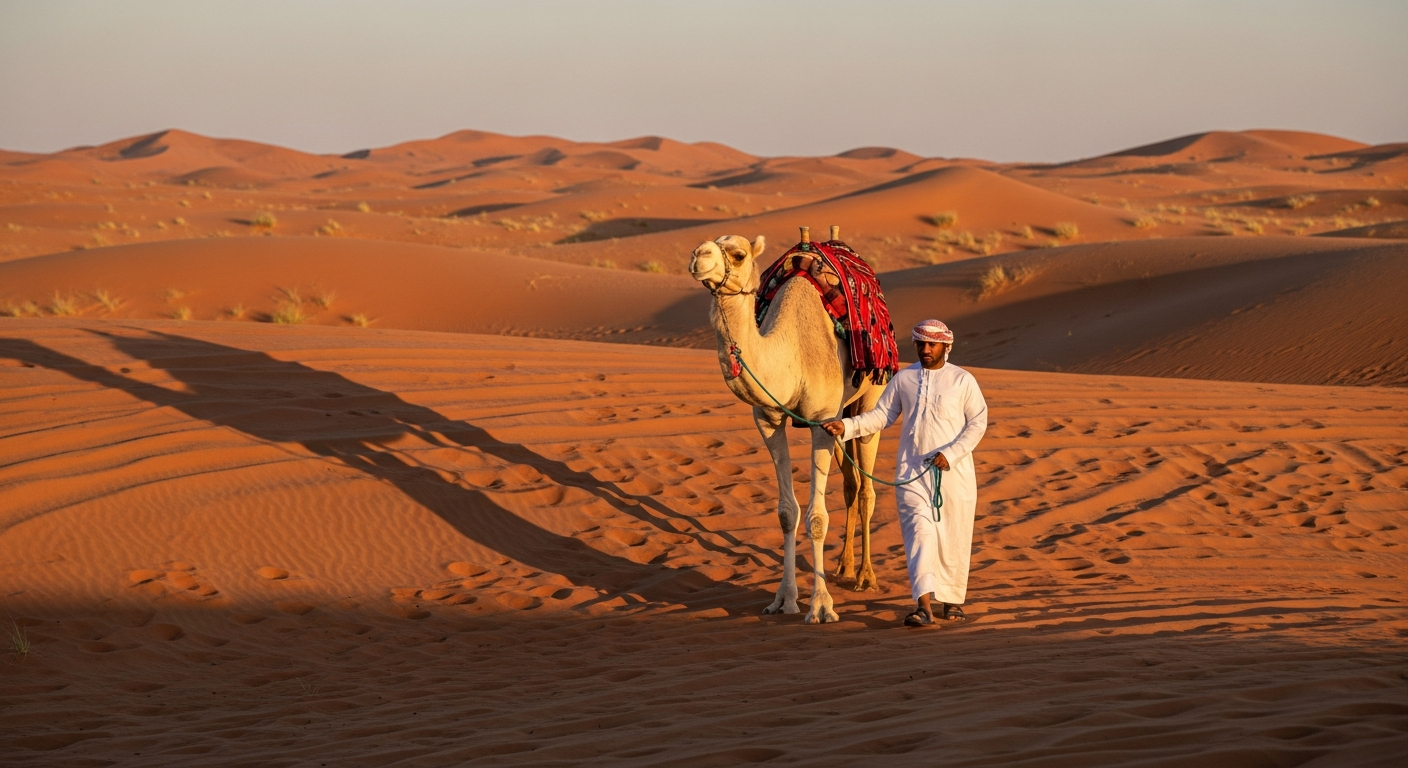
Questions before booking can reveal a lot. Ask how the guide handles a rider who wants to stop, whether slower riders are separated from faster ones and what happens if conditions change. Clear answers suggest a plan. Evasive answers suggest the outing may be improvised in ways that do not suit everyone.
Make the final choice with a steady head
Once the basics are clear, compare options on fit rather than excitement alone. The right ride lets each person feel prepared, comfortable and able to respond calmly to the terrain. A beginner may value patient instruction and a gentler route. A confident rider may prefer longer stretches of open sand and a more varied pace.
Avoid upgrading purely for power or duration. A longer ride on a bike that feels too large can be tiring, and a powerful machine can reduce enjoyment for someone still learning balance. The better choice is the one that matches control, route and group pace from the first minutes of the outing.
Before confirming, run through the simple points again: correct helmet fit, a clear safety briefing, suitable terrain, a guide who communicates well and a bike that fits the rider. If those pieces line up, the rest of the experience is far more likely to feel smooth. Desert riding rewards preparation, and the best choice is usually the one that makes the whole group feel ready to ride well.